
The Amazon Quick Desktop Sprint: from AI ambition to AI evidence in five days
Cevo has been selected by AWS to deliver the Amazon Quick Desktop Sprint, a fully funded engagement built on AWS’s new agentic AI platform, delivered under AWS’s own partner program at no cost to the customer.
Migration to AWS Control Tower: Cloud Security & Governance Uplift (Part 2)
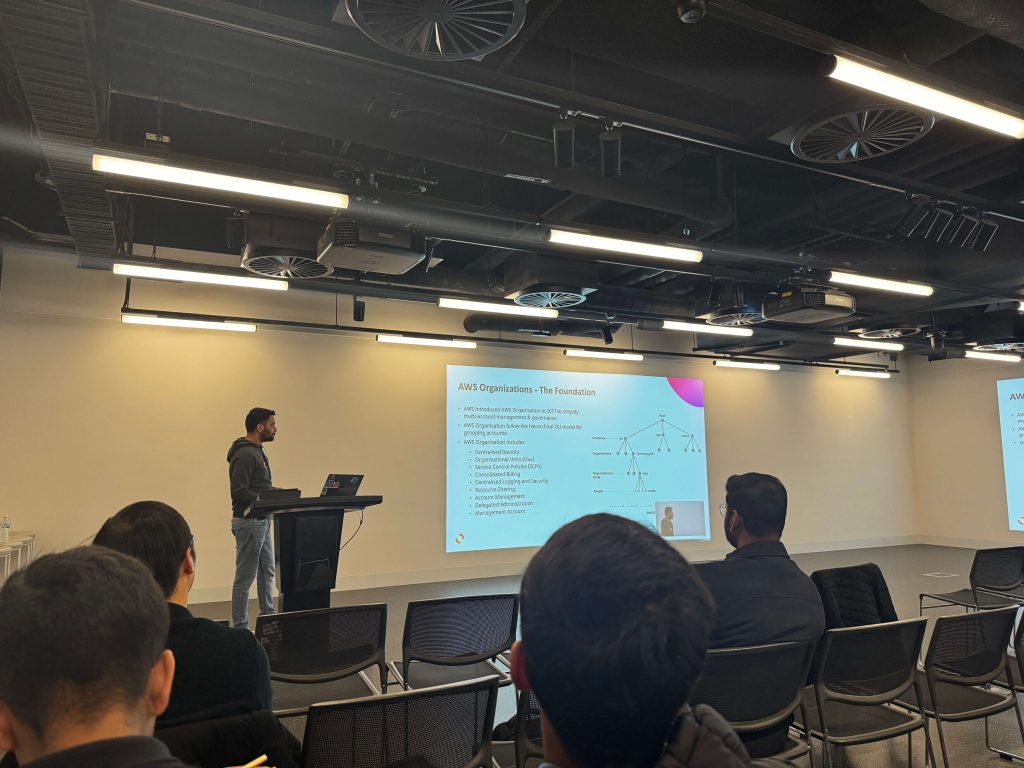
Taking a deeper look at AWS Control Tower migration options, control management approaches, and a real-world enterprise migration journey involving more than 200 AWS accounts and business-critical workloads.
Migration to AWS Control Tower: Cloud Security & Governance Uplift (Part 1)
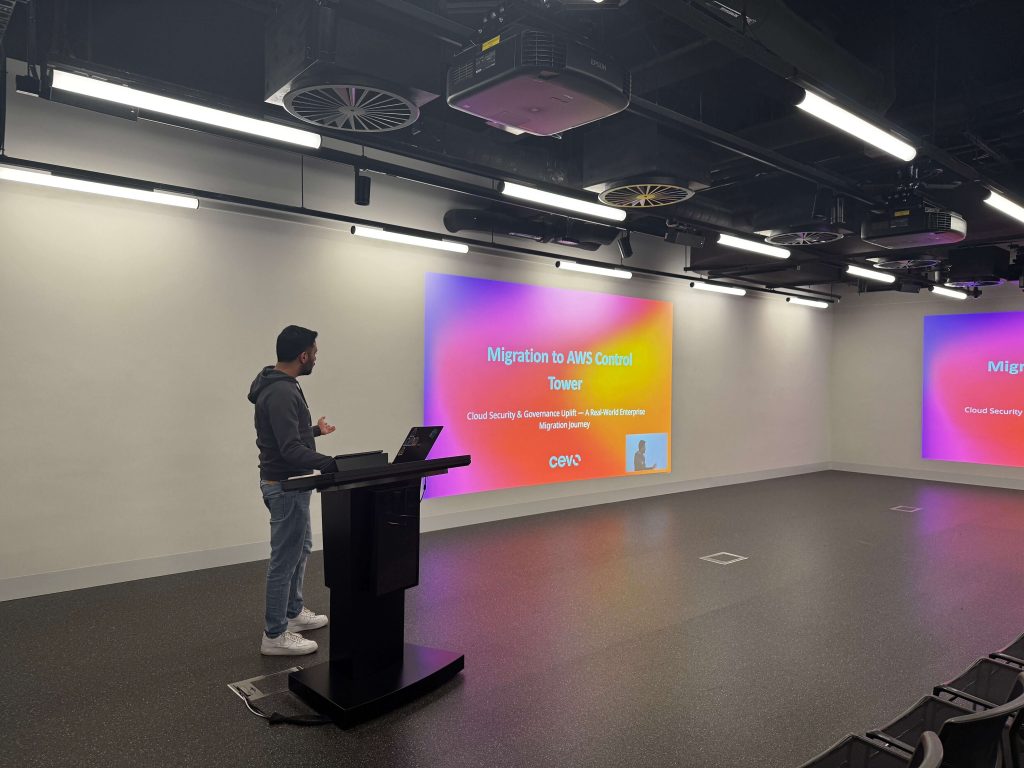
AWS Control Tower: what it is, its history and evolution, the latest version, what has changed in the most recent release, its key features and capabilities, and what these changes mean for customers operating AWS at scale.
Secure AI Inference Gateway
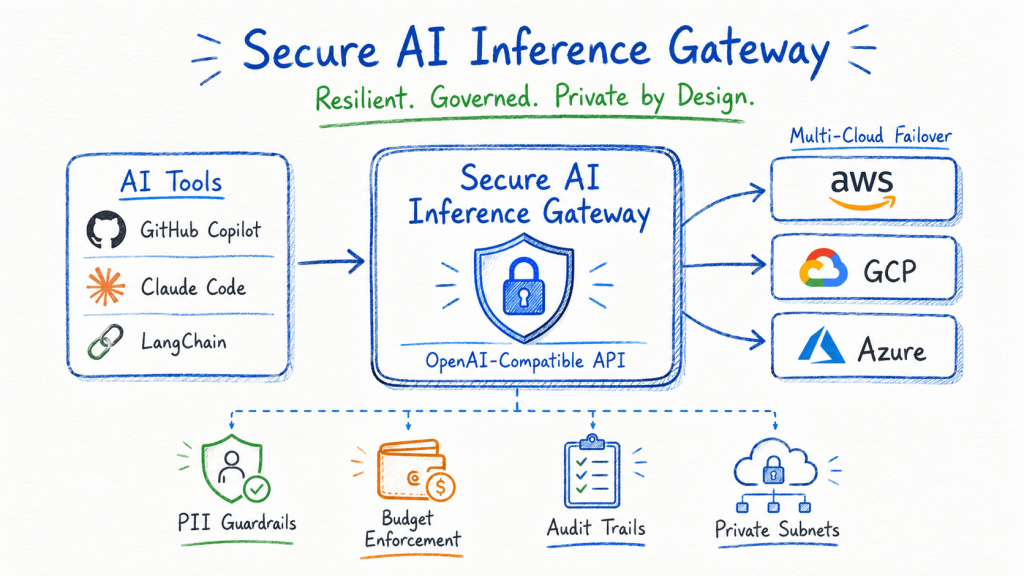
The Secure AI Inference Gateway is a turnkey AWS infrastructure platform (Terraform module on ECS Fargate) that acts as a managed proxy between AI tools/frameworks and inference providers.
Shift-left your AWS costs: Why architects need cost estimates before the first line of code

The AWS Pricing Calculator MCP Server lets AI coding assistants (Kiro, Claude Desktop, Cursor, VS Code) create AWS cost estimates from natural language — at design time, before any infrastructure code exists.
A multi-agent workflow for building a React mobile web app

AI governance for risk and compliance teams is ultimately about operational trust. This blog explores how financial services organisations can move Gen AI systems safely into production through clear policy frameworks, AI risk ratings, observability, lifecycle ownership, audit trails, and APRA-aligned operational controls.
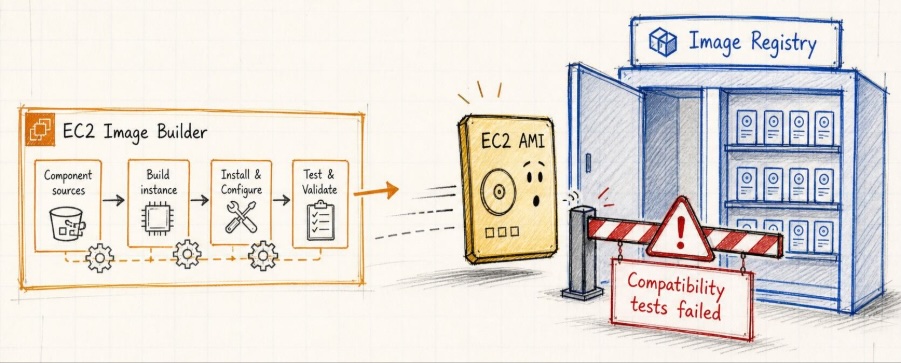
How to automate WorkSpaces Applications (AppStream 2.0) image builds with EC2 Image Builder
AI governance for risk and compliance teams is ultimately about operational trust. This blog explores how financial services organisations can move Gen AI systems safely into production through clear policy frameworks, AI risk ratings, observability, lifecycle ownership, audit trails, and APRA-aligned operational controls.
Technical debt is financial leverage (and when to pull the lever)

AI governance for risk and compliance teams is ultimately about operational trust. This blog explores how financial services organisations can move Gen AI systems safely into production through clear policy frameworks, AI risk ratings, observability, lifecycle ownership, audit trails, and APRA-aligned operational controls.
How to get started with Playwright for browser testing

AI governance for risk and compliance teams is ultimately about operational trust. This blog explores how financial services organisations can move Gen AI systems safely into production through clear policy frameworks, AI risk ratings, observability, lifecycle ownership, audit trails, and APRA-aligned operational controls.
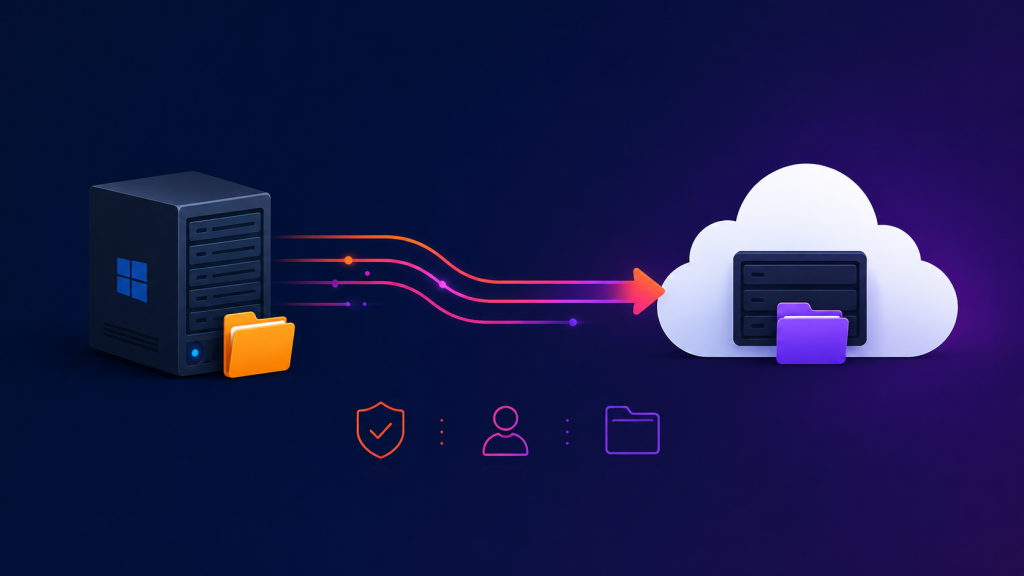
Planning a Windows File Server Migration to Amazon FSx
AI governance for risk and compliance teams is ultimately about operational trust. This blog explores how financial services organisations can move Gen AI systems safely into production through clear policy frameworks, AI risk ratings, observability, lifecycle ownership, audit trails, and APRA-aligned operational controls.